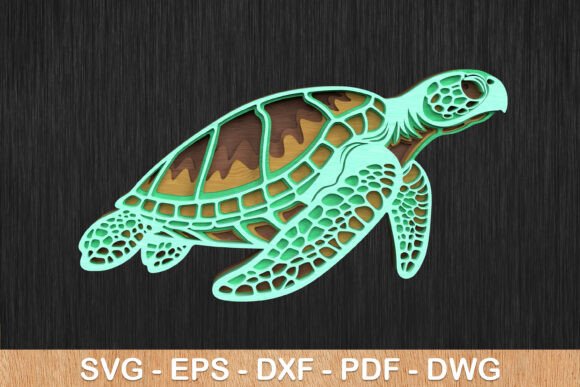
Sea Turtle 3D Layered Laser Cut
Creating depth in flat media is one of the most satisfying challenges for designers and makers. It transforms a simple image into an object with presence, shadow, and dimension. The Sea Turtle 3D Layered Laser Cut design offers a sophisticated solution to this challenge, providing a structured yet organic template that bridges the gap between digital precision and natural beauty. Whether you are running a small business, teaching a workshop, or simply looking to elevate your home decor, this asset provides the structural foundation needed to create something truly striking.
This isn’t just a single graphic file; it is a system of interlocking layers designed to be cut from various materials. By stacking these layers, you create a parallax effect that mimics the way light interacts with the ocean surface and the turtle’s shell. The result is a piece that changes depending on the viewer’s angle and the lighting conditions, offering a dynamic visual experience that static prints cannot replicate.
Understanding the Design Architecture
The core appeal of layered laser cut designs lies in their modularity. Unlike a solid silhouette, which relies entirely on negative space, a layered design uses positive space at multiple depths to build volume. The Sea Turtle design typically consists of several distinct strata: the outer shell pattern, the flippers, the head, and background elements like waves or coral. Each layer is engineered to fit together seamlessly, often using tabs or precise geometric cuts that align without the need for complex adhesives during assembly.
What makes this specific design particularly useful is its balance of detail and simplicity. If the layers are too intricate, the cutting machine may struggle, or the final product may become fragile. If they are too simple, the 3D effect is lost. This design strikes a middle ground, allowing for rich texture in the shell patterns while maintaining clean lines for the body and limbs. This ensures that even beginners can achieve professional-looking results, while experienced crafters can appreciate the nuance in the layering strategy.
Versatile Applications Across Industries
One of the strongest advantages of purchasing this digital asset pack is the variety of file formats included. You receive designs in SVG, DXF, EPS, PDF, and DWG. This compatibility means you are not locked into a single type of equipment or software. A graphic designer working in Adobe Illustrator can use the SVG or EPS files directly, while a woodworker might prefer the DXF or DWG formats for CNC routers or laser cutters. The inclusion of PDF ensures that even those using standard plotters or manual cutting tools have access to the templates.
Home Decor and Interior Design
Perhaps the most popular application for layered sea turtle art is home decor. These designs translate beautifully into wall hangings, room dividers, and lamp shades. When backlit, the layered structure casts intricate shadows on the walls, creating a calming, aquatic atmosphere. Using materials like birch plywood, acrylic, or even thick cardstock allows for different aesthetic outcomes. Light woods offer a natural, beachy vibe, while black acrylic creates a modern, high-contrast look suitable for contemporary offices or living spaces.
Stationery and Paper Crafts
For stationery designers and papercraft enthusiasts, this design opens up new avenues for greeting cards, wedding invitations, and scrapbooking. While full-scale laser cutting isn't always necessary for paper projects, the SVG files can be used with electronic cutting machines like Cricut or Silhouette. Creating a miniaturized version of the sea turtle for a card involves careful scaling and material selection. Thin chipboard or heavy-weight cardstock works well here. The layered approach adds a tactile element that recipients love, turning a simple message into a keepsake.
Textile and Fashion Prints
While the primary intent is laser cutting, the vector nature of these files makes them adaptable for textile printing. The layered composition can be flattened into a single graphic for screen printing on t-shirts, tote bags, or scarves. Alternatively, designers can use the individual layers as repeating patterns. For example, the shell pattern from one layer could be extracted and tiled across fabric, while another layer provides the outline for embroidery. This flexibility allows fashion brands to incorporate marine conservation themes or tropical aesthetics into their collections without being limited to traditional 2D illustrations.
Packaging and Branding
Small business owners and entrepreneurs can leverage this design for unique packaging solutions. Imagine a boutique selling eco-friendly soaps or bath bombs packaged in boxes featuring a die-cut window shaped like the layered sea turtle. Or consider using the design as a custom insert inside shipping boxes, reinforcing brand identity with a memorable, three-dimensional touch. The professional quality of the vector files ensures that logos and decorative elements remain crisp regardless of the size printed or cut.
Material Choices and Creative Variations
The success of a layered project often depends on the material chosen. Different substrates interact with light and weight differently, altering the final presentation. Here are a few recommendations based on common use cases:
- Wood (Birch, Basswood, Plywood): Ideal for large-scale wall art. Wood adds warmth and durability. Ensure the thickness of the wood matches the complexity of the layers; thinner sheets allow for more intricate details but may require more support during assembly.
- Acrylic (Clear, Frosted, Colored): Acrylic offers a sleek, modern look. Frosted acrylic diffuses light beautifully, making it perfect for lamps. Clear acrylic allows for color blocking by placing colored layers behind clear ones, creating a stained-glass effect.
- Cardstock and Chipboard: Best for smaller items like cards, tags, and ornaments. Use colored cardstocks to add vibrancy. Layering different colors enhances the 3D effect significantly compared to using a single monochromatic sheet.
- Felt and Fabric: For softer, plushier versions of the design, felt works surprisingly well. It holds its shape better than woven fabrics and doesn’t fray easily when cut. This is great for children’s toys or soft sculptures.
Assembly and Presentation Tips
Once the pieces are cut, assembly is key to maintaining the 3D integrity. Use spacers such as foam tape, wooden dowels, or specialized standoff brackets to separate the layers. The distance between layers determines the depth of field; greater separation increases the shadow cast, enhancing the illusion of depth but requiring more vertical space. Consistency is crucial—ensure that all spacers are of equal height to keep the turtle level and balanced.
Finishing touches also matter. Sanding wooden edges smooths out rough cuts and improves the overall feel. Applying a matte varnish to wood prevents glare and protects the surface, while polishing acrylic restores clarity. For painted pieces, consider staining rather than painting to preserve the natural grain if using wood, or use spray paints for even coverage on acrylic.
Why This Asset Adds Value
Purchasing this bundle saves significant time and technical effort. Instead of manually tracing and separating layers—a process prone to alignment errors—you get pre-optimized files ready for production. The inclusion of multiple formats future-proofs your workflow, allowing you to switch tools or clients without needing to recreate assets. Furthermore, the versatility of the design means it can be reused across multiple projects, from a single holiday ornament to a large commercial installation.
Whether you are aiming to produce a limited edition art series, streamline your manufacturing process, or simply enjoy a rewarding creative weekend project, the Sea Turtle 3D Layered Laser Cut design provides a robust starting point. It respects the intelligence of the maker by providing a strong framework while leaving ample room for personal interpretation through material choice, color palette, and scale. In a market saturated with generic clipart, offering tangible, dimensional art sets your work apart, demonstrating a commitment to quality and craftsmanship that resonates with audiences.
Thank you for visiting my shop. I hope these designs inspire you to explore new techniques and create pieces that bring a sense of calm and wonder to your environment. The ocean is vast and mysterious, and capturing its essence through layered art is a beautiful way to connect with nature, even indoors.