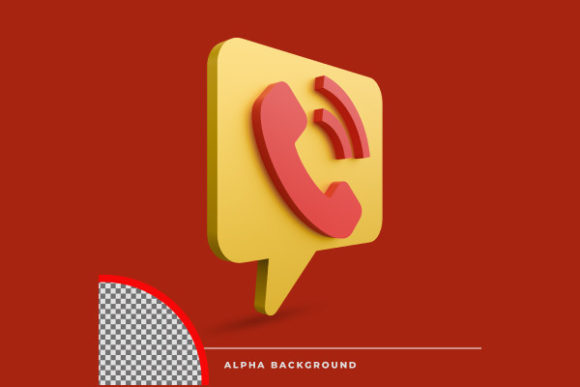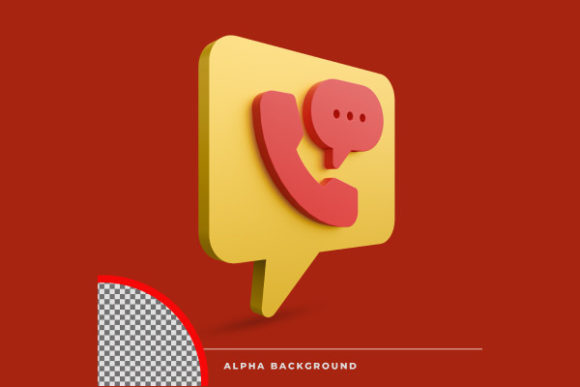
Elevating Your Brand with 3D Rendering Call Icon Isolated Mockups
In the fast-paced world of digital marketing and creative design, first impressions are everything. Whether you are an artist showcasing your portfolio, a business owner launching an online store, or a social media influencer curating your aesthetic, the way your product is presented can make or break customer engagement. This is where high-quality visual assets come into play. Specifically, the use of a 3d Rendering Call Icon Isolated mockup has become a staple for professionals looking to display their artwork, canvas prints, photos, and digital designs in a realistic, tangible way.
But what exactly is a 3D rendering mockup, and why is it so critical for modern creators? Beyond simply being a pretty picture, these tools bridge the gap between flat digital files and physical reality. They allow you to visualize how your two-dimensional art will look when printed on canvas, framed, or displayed in a real-world setting. In this article, we will explore the significance of 3D rendering icons, how they function within the Adobe Photoshop ecosystem, and why mastering this tool can significantly boost your credibility and sales.
Understanding the Concept of 3D Rendering Mockups
To understand the value of a 3d Rendering Call Icon Isolated asset, one must first grasp the concept of "mockup" design. A mockup is essentially a template that simulates a real-life object. Instead of showing a flat JPEG of a painting hanging on a wall, a mockup shows a three-dimensional representation of that painting inside a frame, hanging on a textured wall, perhaps with subtle lighting effects and shadows.
The term "isolated" refers to the background of the image. An isolated icon or object sits on a transparent or neutral background, allowing designers to place it anywhere without worrying about cluttered surroundings. When combined with 3D rendering technology, this isolation becomes powerful. It allows for precise control over perspective, lighting, and depth, creating an image that looks indistinguishable from a photograph taken by a professional camera.
Why does this matter? For a general reader or a beginner designer, the distinction might seem minor. However, for a consumer browsing an online shop, the difference is profound. A flat image of a canvas print feels abstract. A 3D rendered image of that same print hanging in a cozy living room feels achievable. It triggers a psychological response known as "mental simulation," where the viewer imagines owning the item, thereby increasing the likelihood of a purchase.
The Technical Advantage: Layered Photoshop PSD Files
One of the most significant features of professional-grade mockups, including those featuring a 3d Rendering Call Icon Isolated, is their format. These assets are typically provided as layered Photoshop PSD files. This format is crucial because it offers flexibility and customization that static image formats like JPEG or PNG cannot match.
The Magic of Smart Objects
At the heart of these PSD files lies the smart-object layer. If you are new to Adobe Photoshop, smart objects might sound technical, but they are incredibly user-friendly. A smart object acts as a container for your artwork. Instead of manually resizing, warping, or masking your image to fit a frame, you simply double-click the smart object layer.
This action opens a new window where you can paste your own design—be it a logo, a photograph, or a piece of digital art. Once you save and close that window, the mockup automatically updates. The 3D rendering engine recalculates the perspective, ensuring your artwork fits perfectly onto the canvas or frame. This process eliminates hours of manual editing and ensures that your final output looks polished and professional.
Automatic Adjustment of Size and Ratio
A common frustration for beginners is trying to make an image fit a specific frame without distorting the aspect ratio. Professional mockup templates solve this problem through intelligent layer linking. The frame canvas automatically adjusts to the size and ratio of your artwork image. This means whether you have a vertical portrait photo or a wide panoramic landscape, the mockup handles the geometry for you.
This feature is particularly useful for businesses selling custom prints. You do not need to create separate mockups for every single dimension. One well-designed PSD file can accommodate multiple aspect ratios, saving time and resources while maintaining consistency across your brand’s visual identity.
Practical Applications in Modern Business and Creativity
So, how do you put this tool to work? The versatility of a 3d Rendering Call Icon Isolated mockup extends across various platforms and industries. Let’s look at some practical scenarios where this asset adds immense value.
- Online Shops and E-commerce: If you sell digital art prints, having a realistic mockup is non-negotiable. Customers want to see scale and context. By using a PSD file, you can quickly generate mockups for different rooms (living rooms, offices, nurseries) to help customers visualize the product in their own space.
- Portfolio Presentation: Graphic designers and illustrators often struggle to present their work effectively. Flat screenshots can feel amateurish. By placing your vector logos or illustrations into a 3D rendered call icon or badge mockup, you elevate your portfolio, demonstrating attention to detail and technical proficiency.
- Social Media Marketing: Platforms like Instagram and Pinterest are highly visual. Posts featuring 3D rendered products tend to stand out in crowded feeds. The isolation of the icon allows you to overlay text or graphics seamlessly, creating eye-catching promotional content that drives traffic to your website.
- Blog Websites: Content creators can use these mockups to illustrate articles about design trends, home decor, or photography. It breaks up text-heavy content and keeps readers engaged with high-quality visuals.
Debunking Common Misconceptions
While the benefits are clear, there are some misconceptions surrounding 3D rendering and mockups that potential users should be aware of.
Misconception 1: "I need expensive hardware to run these files."
While complex 3D scenes can require powerful computers, many modern PSD mockups are optimized for efficiency. A standard laptop with a decent amount of RAM can handle most smart object-based mockups without lag. Furthermore, the rendering happens instantly upon saving the smart object, so you don't need to wait for long processing times.
Misconception 2: "It looks too fake if I'm not careful."
This is true only if the source material is poor quality. A 3d Rendering Call Icon Isolated is only as good as the image you place inside it. Ensure your artwork is high-resolution (at least 300 DPI for print). Additionally, pay attention to the lighting in the mockup. If your artwork is bright and sunny, try to match it with a mockup set in a similarly lit environment. Consistency is key to realism.
Misconception 3: "I can’t edit the colors."
Many advanced PSD files include adjustment layers for color grading, brightness, and contrast. This allows you to tweak the lighting of the mockup itself to better suit your brand palette, ensuring the entire composition feels cohesive.
Best Practices for Using 3D Mockups Effectively
To get the most out of your Photoshop PSD file, consider adopting these best practices:
- Check Resolution: Always ensure your input image is high enough quality. Blurry inputs result in blurry outputs, no matter how good the mockup is.
- Respect the Perspective: Do not force your image into a frame that doesn't match its orientation. Use the automatic adjustment features provided by the smart object to let the software handle the alignment.
- Vary Your Backgrounds: Don’t just use one type of wall texture. Rotate between minimalist white walls, rustic brick, and modern concrete to appeal to different customer tastes.
- Keep it Simple: Since the icon is isolated, avoid adding unnecessary clutter around it. Let the product speak for itself. White space is a powerful design tool.
Conclusion
In the digital age, presentation is paramount. A 3d Rendering Call Icon Isolated mockup is more than just a decorative element; it is a strategic tool that enhances the perceived value of your work. By leveraging the power of layered Photoshop PSD files and smart objects, you can effortlessly transform flat designs into compelling, realistic visual experiences.
Whether you are displaying artwork in an online shop, updating your blog, or enhancing your social media presence, these mockups provide the professionalism and clarity that modern audiences expect. They save time, reduce errors, and ultimately help you communicate your creative vision more effectively. Embrace the technology, experiment with different styles, and watch your digital presence take shape in stunning 3D detail.
For those ready to upgrade their design workflow, investing in high-quality, easy-to-edit mockup templates is one of the smartest steps you can take. It bridges the gap between imagination and reality, allowing your creativity to shine in its most authentic form.